A café and restaurant on the Jazan Corniche
About the project
This project was designed as part of the new waterfront of the city of Jazan in Saudi Arabia. It is one of the works of the Saudi architect Yahya Al-Salmani at Modern Design Engineering Consultants in Jeddah. The designer took care that the project should be a distinctive tourist landmark and an icon for the city of Jazan.
The architectural idea was to place the restaurants on the side of the main road, for easy servicing and direct access. The café area forms part of the leisure offer of the corniche park and serves people walking there. The first roof of the café was also used to design a terrace with a beautiful sea view, so that the project achieves the return it needs as an investment.
We at Modern Design Engineering Consultants are proud of the trust you place in us.
The work we began twenty years ago continues, with distinctive architectural design and the latest architectural design technology, and we continue to attract capable architects to build a strong architectural design team.
The boulevard (the open street for walking and shopping)
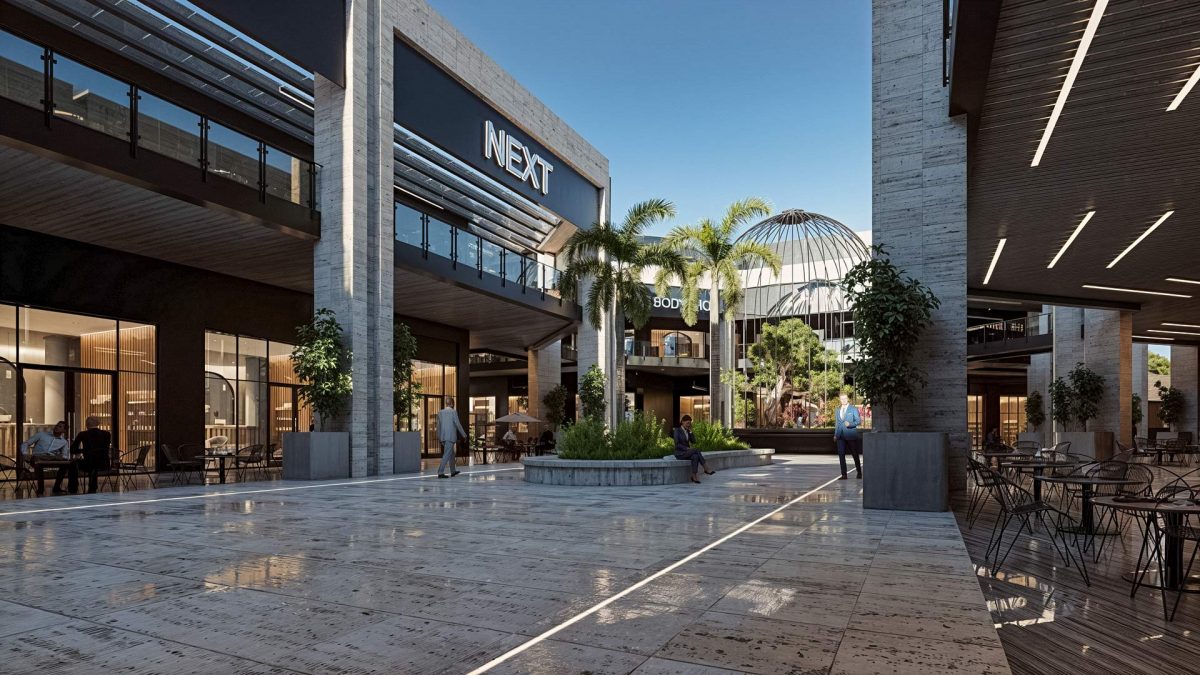
Boulevards are the arteries of life in cities. They are more than main roads: they are open, lively spaces that express the spirit of the city and give it a character of its own.
But designing a successful boulevard takes skill, art and careful study. A good boulevard is a work of architecture that meets the needs of the community, improves quality of life and brings life to the city.
Key factors to consider in boulevard design
- Width: the boulevard must be wide enough to hold the traffic while providing dedicated lanes for pedestrians and cyclists, and creating large green spaces for a feeling of comfort and openness.
- Lighting: lighting is a basic element in boulevard design. It improves safety and security at night, adds beauty to the place and helps create a warm setting that invites people to stroll.
- Trees and green spaces: trees and green spaces are the lungs of the city. They clean the air and reduce pollution, bring a feeling of calm and freshness, and support biodiversity.
- Landscape: a varied landscape, with fountains, slopes and flowers, gives the boulevard a unique beauty, stimulates visitors' senses and inspires creativity.
- Street furniture: street furniture is an important element in creating interactive spaces along the boulevard, such as benches, shades and places for play and leisure, and it encourages social contact and the exchange of ideas.
- Traffic system: the traffic system on the boulevard must be designed to keep traffic smooth and safe for vehicles, pedestrians and cyclists, taking account of the needs of each user.
- Setting goals: before starting to design the boulevard, its goals must be set clearly, such as improving quality of life, strengthening commercial activity, encouraging tourism or creating a space for social contact.
- Materials: building materials must be chosen carefully for durability and beauty, taking account of environmental standards and the effect on the surroundings.
- Dedicated paths for pedestrians and cars: dedicated paths for pedestrians and cyclists must be provided away from traffic to keep them safe, taking account of the needs of people with disabilities.
- Art installations: art installations such as fountains, statues and murals add beauty and art to the boulevard, stimulate creativity and inspire visitors.
- Modern technology: modern technology can improve boulevard design, such as smart lighting, smart irrigation and energy-saving systems, which help reduce costs and improve environmental sustainability.
- Community participation: involving the community in designing the boulevard is an essential step to make sure it meets their needs and wishes, to create a sense of ownership among residents and to encourage them to help look after it.
- Improving quality of life: boulevard design contributes effectively to the community's quality of life by:
- Providing open spaces for social contact and leisure.
- Encouraging physical activity and sport.
- Improving mental health through contact with nature.
- Reducing pollution and noise.
- Creating a safe, comfortable place to live.
- Increasing traffic flow: a boulevard can be designed to increase traffic flow and improve vehicle movement through:
- Wide lanes in several directions.
- Well-organised, well-lit junctions.
- Smart traffic control systems.
- Enough car parking.
- Encouraging commercial activity: a boulevard can become a lively commercial centre through:
- Dedicated spaces for shops and restaurants.
- Attractive facades that draw visitors.
- Cultural and commercial events.
- Free Wi-Fi.
- Improving the image of the city: a beautifully designed boulevard improves the image of the city and strengthens its standing as a tourist destination through:
- Creating distinctive landmarks that attract visitors.
- Strengthening the cultural identity of the city.
- Stimulating investment in real estate projects.
- Sustainable design: the principles of sustainability must be considered in designing the boulevard, through:
- Using environmentally friendly materials.
- Designing systems that save energy and water.
- Planting trees and plants.
- Encouraging environmentally friendly transport.
- Integration with the surroundings: the design of the boulevard must fit its natural and built surroundings, through:
- Preserving green spaces.
- Using materials that suit the environment.
- A design in harmony with the surrounding buildings.
- Safety and security: boulevard design must take account of safety and security standards, through:
- Enough lighting.
- Surveillance cameras.
- Safe walkways for pedestrians.
- Safe play areas for children.
- Ease of access: the boulevard must be easy to reach for all members of the community, through:
- Enough car parking.
- Walkways suitable for people with disabilities.
- Connection to public transport.
In closing
Boulevard design is not just an engineering process. It is a mix of art, creativity, sustainable development and community participation.
Through careful, constructive design, a boulevard can become a work of architecture that brings life to the city, serves the needs of the community and helps improve quality of life.
Designing restaurants and cafés on a boulevard
The design of restaurants and cafés on a boulevard matters for attracting customers and standing out from competitors. Here is some general advice for designing a restaurant or café on a boulevard:
- Make use of the location: make use of the restaurant or café's position on the boulevard, and design the place to offer a beautiful view of the surrounding landscape.
- Pay attention to lighting: design suitable, attractive lighting for the restaurant or café. Warm, soft lighting can create a comfortable, distinctive atmosphere.
- Interior design: pay attention to the interior decoration of the restaurant or café, and make sure it suits the furniture style, the colours and the lighting.
- Furniture: design the furniture to be comfortable and attractive for customers. Modern, elegant furniture can make the restaurant or café stand out.
- The menu: design a distinctive, varied menu with local and international dishes and healthy food.
- Service: train staff to give a high quality of service, since excellent service can help attract customers and keep them.
- Outdoor seating: an outdoor seating area can be designed, where customers can enjoy the landscape and the fresh air during their meals.
- Technology: technology can be used in the design of the restaurant or café, such as self-ordering systems and charging points for smart devices, to attract customers.
- Health and hygiene: pay attention to health and hygiene inside the restaurant or café, and serve healthy, clean food that meets local health standards.
- Marketing: online marketing and social media can be used to market the restaurant or café and to stay in constant touch with customers, to attract more of them and keep them.
- In general, a restaurant or café on a boulevard can be designed in a modern, distinctive style marked by quality and comfort, with attention to small details and a high quality of service for customers.
- Sound: take the sound of the place into account, and play music that suits it, comfortable and not in the way of conversation between customers.
- Lighting: provide lighting that suits the general atmosphere of the restaurant or café, adds to the mood of the place and makes it look more beautiful and attractive to customers.
- Toilets: provide comfortable, clean toilets inside the restaurant or café that give customers privacy and comfort.
- Furniture: provide high-quality, comfortable furniture for customers, with a focus on a modern design suited to the atmosphere of the restaurant or café.
- Entertainment: some entertainment can be offered inside the restaurant or café, such as games or social activities, to attract families and give customers more choice.
- The design of a restaurant or café on a boulevard should have a modern, beautiful style that fits its surroundings, with a high quality of service and comfort and relaxation for customers.
- Unique dishes: unique, different dishes can be offered, giving customers a new dining experience, with attention to local dishes or the popular food of the area where the restaurant stands.
- A healthy menu: a healthy menu can be designed, with healthy, light meals, to attract customers who care about health and fitness.
- Special services: special services can be offered, such as delivery or online ordering, for customers' comfort and convenience.
- Cultural concept: a restaurant or café can be designed around a particular cultural concept, such as serving popular food from different cultures, or designing the restaurant in a traditional style or one inspired by a particular culture.
- Social seating: provide social seating inside the restaurant or café, such as large tables for friends and families, to encourage customers to gather and enjoy the atmosphere.
- In the end, a restaurant or café on a boulevard should be designed in a beautiful, comfortable style, with a high quality of service and a focus on what makes it stand out from its competitors and attract local customers and tourists.
The 10 most important reasons coffee shops succeed
Many factors help coffee shops succeed. The most important are:
- Location: the location must be suitable and easy to reach, to attract customers and be profitable.
- The menu: the menu must be varied and renewed constantly to meet customers' needs and attract them.
- Quality: take care to provide high quality in food, drinks and service, so that customers are satisfied and come back.
- Service: service must be fast, excellent and polite, and the staff friendly and professional.
- Marketing: pay attention to marketing the coffee shop through advertising, promotion and online marketing, to attract new customers and keep current ones.
- Atmosphere: the decoration and atmosphere of the coffee shop must be comfortable and suited to sitting and enjoying the time. Music, lighting and attractive design can improve the atmosphere inside.
- Innovation: try new and different ideas and dishes to renew the menu and attract customers. Modern techniques such as molecular cooking or pressure cooking can be used to prepare unique dishes.
- Sustainability: sustainable practices can be adopted in the coffee shop, such as reusable utensils, organic and local ingredients in food and drink, and reduced energy and water use.
- Responding to customers' wishes: coffee shops must be ready to respond to customers' wishes and requests, whether by offering more choice, updating the decoration or changing the menu.
- Working with the community: coffee shops can build a good relationship with the local community by supporting community and cultural activities and providing jobs for local people.
In general, the success of a coffee shop takes a great deal of effort and care over every detail. This can be achieved by investing in quality, innovation, sustainability and working with the local community.
Beyond that, care must be taken over the relationship with customers: dealing with them in a friendly, professional way and meeting their needs and requirements accurately. Listening to customers' views and meeting their needs can help improve their experience in the coffee shop and increase loyalty to the place.
In the end, coffee shop owners must invest well in every aspect of the business, from location, decoration, menu and service to marketing, quality and innovation, to offer customers a distinctive, enjoyable experience and make the coffee shop a place they favour.

Start your project
We'd be glad to go through your idea with you
Tell us about your plot and what you imagine, and we'll help you see it before you build it.
Start your project