A guide to designing a bedroom: finding your style and needs, working with space, light, colour and furniture, then practical steps from the budget to keeping the room tidy.
The bedroom is a private realm, a refuge of calm and rest, and a stage for dreams and imagination. Designing it is a creative journey that lets us express our taste and needs and create a setting that suits the way we live.
In this full guide, we explore the world of bedroom design together, look at the important factors that shape our creativity, and offer you inspiring ideas and practical advice for designing the room you love.
Chapter 1: The search for inspiration
Before you start designing a bedroom, take some time to explore your ideas and needs.
1. Decide on your style
- Modern: simple lines and neutral colours.
- Classic: traditional furniture and warm colours.
- Romantic: soft touches and gentle lighting.
- Bohemian: rich colours and carefully chosen furniture.
2. Decide on your needs
- Enough space for sleeping and moving around.
- Wardrobes for storing clothes and belongings.
- A bedside table for books or electronic devices.
- Suitable lighting for reading and relaxing.
3. Look for inspiring ideas
- Browse decor magazines and websites.
- Visit furniture and interior design showrooms.
- Get ideas from Pinterest and Instagram.
Chapter 2: The factors that affect bedroom design
1. Space
- Small bedrooms:
- Use light colours to make the space feel bigger.
- Choose multi-purpose furniture to save space.
- Make as much use of natural light as you can.
- Use mirrors to create the illusion of a larger space.
- Large bedrooms:
- Mark out distinct areas for relaxing, sleeping and reading.
- Use large furniture that suits the space.
- Add decorative pieces to fill empty space.
2. Lighting
- Natural light:
- Make use of large windows to let natural light in.
- Use sheer curtains for privacy without blocking the light.
- Artificial light:
- Use soft general lighting for the bedroom.
- Add bedside lighting for reading or working.
- Use warm lamps to create a comfortable atmosphere.
3. Colours
- Light colours:
- They give a sense of calm and space.
- They suit small bedrooms.
- Dark colours:
- They give a sense of warmth and romance.
- They suit large bedrooms.
4. Furniture
- The bed:
- It should be comfortable and support your back.
- Choose a size that suits the room.
- You can add sheets and decorative cushions to change the look of the room.
- Wardrobes:
- Use wardrobes that suit the size of the room and your needs.
- You can use built-in wardrobes to save space.
- Bedside table:
- Use a bedside table for storing books or electronic devices.
Chapter 3: The secrets of careful design
1. Planning the space
- Divide the room into defined areas: sleeping, relaxing, working, reading.
- Think about how people move through the room.
- Use furniture to define the areas.
- Make use of neglected space: under the bed, above the wardrobes.
2. Choosing furniture
- Materials:
- Wood: durable and elegant, it suits different styles.
- Metal: modern and rust-resistant.
- Leather: warm and elegant, it suits luxurious styles.
- Design:
- Simplicity and elegance for the modern style.
- Coordinated details for the classic style.
- Soft touches for the romantic style.
- Unique pieces for the bohemian style.
3. Coordinating colours
- The 60-30-10 rule:
- 60% main colour (the walls).
- 30% secondary colour (the furniture).
- 10% complementary colour (the accessories).
- Coordinated colours:
- Colours close together on the colour wheel.
- Colours opposite each other on the colour wheel.
- Neutral colours:
- White, black, grey, beige.
- They are used as a base for other colours.
4. Coordinated lighting
- General lighting:
- Lighting for the whole room.
- It is used to light the entire space.
- Directed lighting:
- It is used to light specific areas.
- For example: reading in bed, the work table.
- Decorative lighting:
- It is used to add a touch of beauty to the room.
- For example: table lamps, candles.
5. Inspiring decoration
- Paintings:
- They add a personal touch to the room.
- They express your taste and interests.
- Plants:
- They add a touch of nature to the room.
- They clean the air and lift the mood.
- Rugs:
- They give a sense of warmth and comfort.
- They protect the floor from scratches and damage.
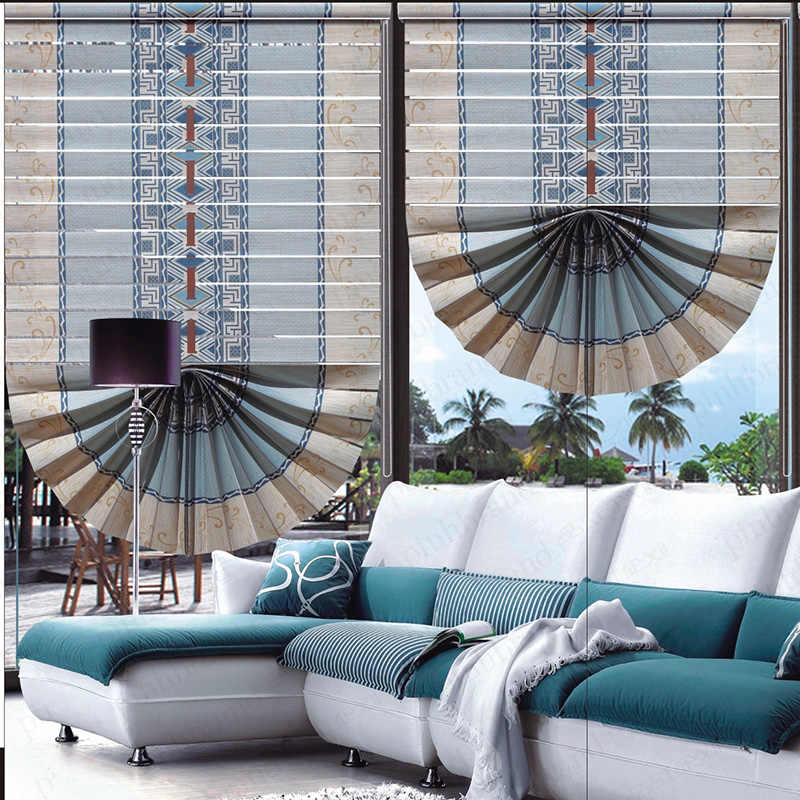
- Curtains:
- They provide privacy and control of the light.
- They add a touch of beauty to the room.
Chapter 4: Inspiring ideas for bedroom design
1. Small bedrooms
- Use light colours to make the space feel bigger.
- Choose multi-purpose furniture to save space.
- Make as much use of natural light as you can.
- Use mirrors to create the illusion of a larger space.
2. Large bedrooms
- Mark out distinct areas for relaxing, sleeping and reading.
- Use large furniture that suits the space.
- Add decorative pieces to fill empty space.
3. Romantic bedrooms
- Use comfortable, upholstered furniture to create a sense of warmth.
- Decorate the room with candles and roses.
- Use sheer curtains to let filtered natural light through.
4. Modern bedrooms
- Use neutral colours such as white and grey.
- Choose simple furniture with straight lines.
- Add modern artistic touches such as paintings or sculptures.
5. Bohemian bedrooms
- Use rich colours and eye-catching patterns.
- Choose furniture carefully selected from different cultures.
- Add plants and natural colours to create a sense of freshness.
Chapter 5: Practical steps to design the room you love
1. Set your budget
- Before you start designing your room, set your own budget.
- Take into account the costs of furniture, accessories and repairs.
2. Divide the room
- Divide the room into defined areas: sleeping, relaxing, working, reading.
- Think about how people move through the room.
3. Choose the furniture
- Choose comfortable furniture in proportion to the room.
- Check the quality of the furniture and its materials.
- Take your personal needs into account.
4. Choose the colours
- Choose colours that suit your taste and style.
- Make sure the colours go well together.
- Take into account the size of the room and the amount of natural light.
5. Add the lighting
- Use general lighting for the whole room.
- Add directed lighting for specific areas.
- Use decorative lighting to add a touch of beauty to the room.
6. Decorate the room
- Add paintings or personal photographs.
- Use plants and natural colours to create a sense of freshness.
- Add a rug that suits the size and style of the room.
- Use curtains that provide privacy and control of the light.
7. Keep the room tidy
- Keep the room tidy at all times.
- Get rid of things you do not use.
- Clean the room regularly.
Conclusion
Designing a bedroom is a creative journey that lets you express your taste and needs and create a setting that suits the way you live.
By following the advice and guidance in this guide, you will be able to design the room you love, your own refuge of calm, rest and dreams.
Remember:
- Do not be afraid to take risks and experiment with the design.
- Listen to your own taste and needs.
- Enjoy the design journey and creating the room you love.